
News
Monty Roberts Dies Aged 91: His Horsemanship Legacy
Aug
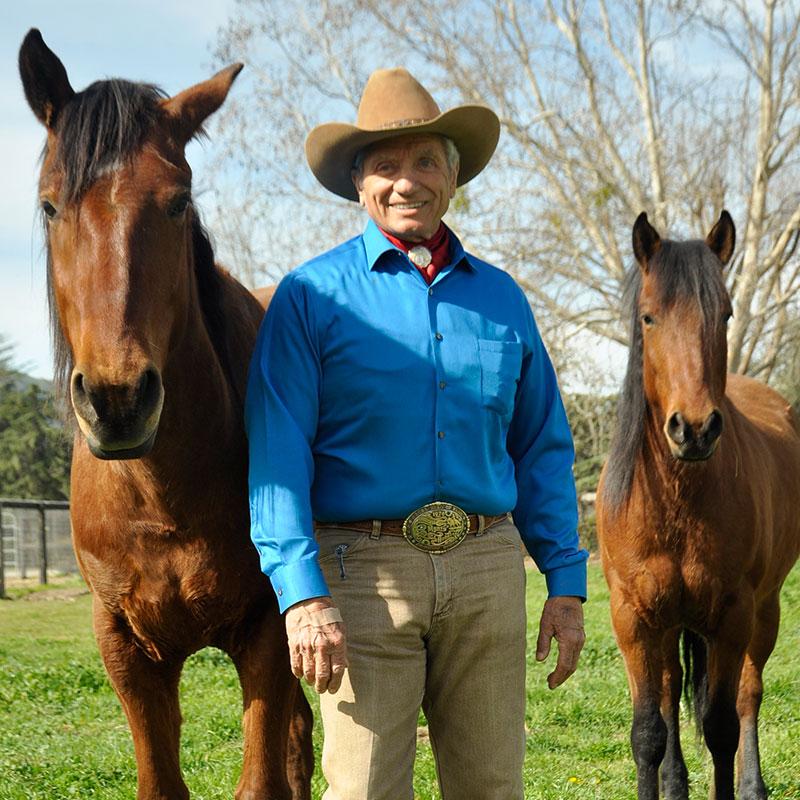
Monty Roberts, 1935–2026: The Man Who Changed How the World Listened to Horses
The horse world is mourning Monty Roberts, the American horseman the world knew as “The Man Who Listens to Horses.”
He died at his home in Solvang, California, on 31 July 2026. He was 91. His daughter, Debbie Roberts Loucks, announced the sad news and pledged to continue his life’s work.
Monty Roberts changed how millions of people thought about horse training. For centuries, many trainers believed they had to dominate or “break” a horse.
However, Roberts challenged that belief. Instead, he promoted trust, patience and clear communication.
Learning to listen to horses
At the age of 13, Roberts spent many hours observing wild mustangs in Nevada.
He studied their movements, posture and responses. As a result, he began to understand how horses communicate without words.
Those early observations shaped his approach to horse handling. He believed people could learn to recognise the signals horses use to show fear, tension, relaxation and trust.
Roberts later called his best-known approach Join-Up®.
In simple terms, Join-Up describes the moment when a horse chooses to remain with the handler rather than move away.
Roberts used body language, careful timing and the release of pressure. Therefore, the horse could understand what the handler wanted without fear or violence.
Trust instead of force
Roberts did not believe that kindness meant removing all boundaries.
Instead, he encouraged handlers to set clear and fair limits. However, he also believed the horse should understand each request.
Most importantly, he asked people to consider why a horse behaved in a certain way.
For example, people may call a horse stubborn or difficult. Yet the horse may feel frightened, confused or uncomfortable.
Punishment can make those problems worse. In contrast, calm and consistent handling can help a horse feel safe enough to learn.
Today, this idea may sound familiar. At the time, however, it challenged many traditional training methods.
Roberts helped move the conversation away from domination. Instead, he asked people to focus on communication, understanding and willing cooperation.
A worldwide influence
Roberts gained international attention after a royal demonstration at Windsor Castle in 1989.
Queen Elizabeth II later supported his gentler approach. She also encouraged him to share his ideas around the world. In 2012, she became patron of Join-Up International.
Readers around the world bought more than six million copies of his autobiography, The Man Who Listens to Horses.
In addition, Roberts travelled widely, gave public demonstrations and trained instructors. His work reached riders, trainers, stable staff and horse owners across many countries.
People often called him a “horse whisperer.” However, Roberts placed greater importance on listening.
That difference mattered. He wanted people to observe the horse rather than demand submission from it.
Why his legacy matters to former racehorses
Monty Roberts’ message has special meaning for everyone who rescues and rehabilitates former racehorses.
Racing asks Thoroughbreds to react quickly and follow a demanding routine. After racing, they must adjust to new people, surroundings and expectations.
At the Racehorse Rescue Centre, we know that every horse arrives with an individual history.
Some horses need physical care. Others need time to rebuild their trust in people. Many need both.
Therefore, rehabilitation must begin with patience. We observe the horse’s behaviour, look for discomfort and introduce each new experience carefully.
Above all, we do not want to break a horse’s spirit. We want to rebuild its confidence.
A frightened horse does not need punishment. Instead, it needs consistency, understanding and a fair opportunity to learn.
Monty Roberts helped bring this way of thinking to a worldwide audience. He encouraged handlers to see behaviour as communication rather than disobedience.
That principle continues to guide humane horse rehabilitation today.
A question that changed horse handling
People will continue to discuss, study and develop methods of horse training.
However, Monty Roberts’ central message remains powerful: listen before you demand.
Instead of asking, “How can I make this horse obey?” he encouraged people to ask:
“What is this horse trying to tell me?”
That question helped transform horse handling. It also gave many frightened and misunderstood horses a better chance.
The volunteers of the Racehorse Rescue Centre send their sincere condolences to Patricia, Debbie, the wider Roberts family, his friends, students and everyone whose life his work changed.
Rest in peace, Monty Roberts.
You taught the world that the first step in handling a horse is to listen.
